Shopify Support Costs 2026: What Gorgias, Tidio, and Intercom Fin Actually Charge at Scale
Shopify support costs in 2026 are harder to compare across vendors than the pricing pages suggest, because almost none of the major tools price the same unit the same way. One char

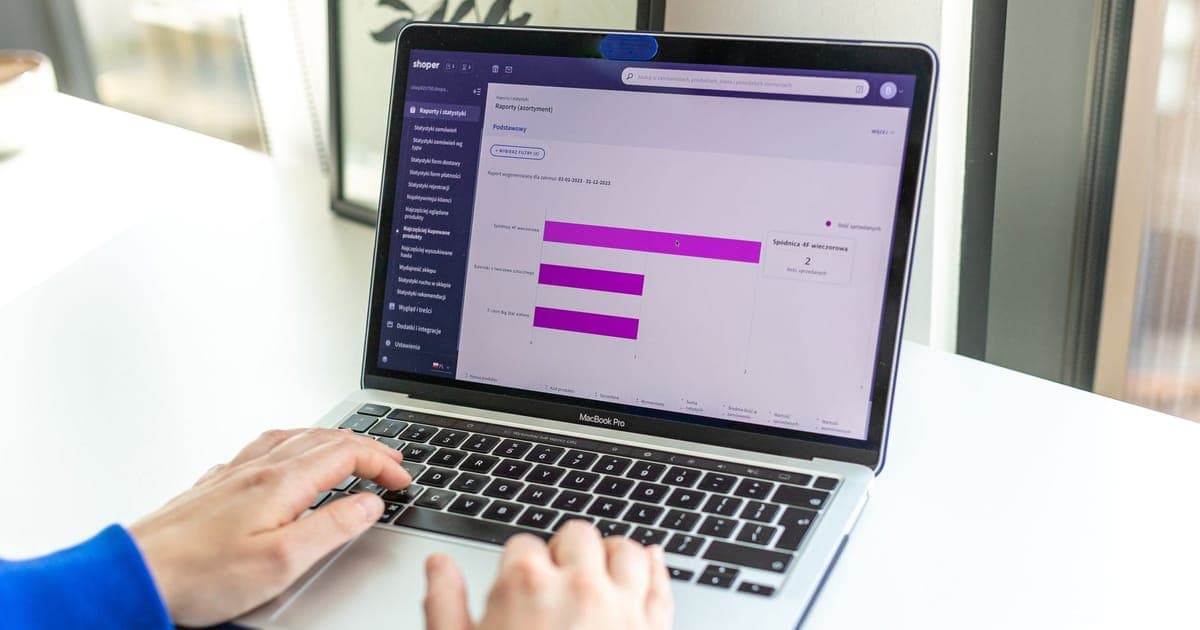
Shopify support costs in 2026 are harder to compare across vendors than the pricing pages suggest, because almost none of the major tools price the same unit the same way. One charges per agent seat, one charges per resolved conversation, one charges per AI conversation as a separate metered add-on, and one bundles AI into an annual contract sized around a usage estimate. Comparing them by their advertised starting price is close to useless. Comparing them by what a specific store at a specific volume actually pays each month is the only version of this comparison worth doing, so that is what follows, tier by tier, sourced to each vendor's own published rates or a dated third-party breakdown where the vendor doesn't publish exact numbers. Anyone budgeting Shopify support software cost for the year ahead needs the tier-by-tier version below, not a single headline figure from any one vendor's homepage.
Gorgias: The Double-Billing Structure
Gorgias prices its base helpdesk plans by ticket volume, with its Pro plan running 360 dollars a month for 2,000 tickets, and its AI Agent layered on top as a separate automation fee of roughly 0.90 to 1.00 dollars per AI-resolved conversation, according to a 2026 pricing breakdown from eesel AI. The structure that catches most stores off guard is that an AI-resolved ticket counts twice: once against the base plan's ticket allotment, once as the separate automation fee. A store resolving 1,000 conversations a month through the AI agent, on the 360-dollar Pro plan, pays roughly 1,260 dollars a month before any overage, since the automation fee alone adds close to 900 dollars on top of the base plan.
At lower volume, the picture is gentler but still compounding: 500 AI-resolved conversations a month adds roughly 450 dollars in automation fees on top of whatever base plan tier that ticket volume requires. At 2,000 conversations, a store is looking at close to 1,800 to 2,000 dollars a month in automation fees alone, on top of the base plan, which is where a Gorgias App Store review cited in multiple 2026 breakdowns describes a brand on the Advanced plan paying roughly 13,500 dollars a year in base fees and getting hit with an additional 14,000 dollars in AI overages, effectively doubling their annual spend once the AI agent started resolving at the rate it was designed to. Overage interactions above a store's bundled allotment jump to 1.50 dollars each, according to a separate cost analysis from My AskAI, a premium most stores do not notice until the invoice arrives.
Tidio: A Metered Add-On With a Steep Tier Cliff
Tidio prices differently: its Lyro AI agent is billed separately from the base Customer Service plan, starting at 39 dollars a month for 50 AI conversations and scaling upward from there. A store on the 59-dollar Growth plan that also wants a meaningful volume of AI conversations, 500 a month for example, is realistically paying somewhere in the 150 to 250 dollar range once Lyro is added, before counting seats, Flows automation, or branding removal as additional line items, according to multiple 2026 pricing breakdowns including ones from Chatsy and Featurebase. Every new Tidio install gets 50 Lyro conversations free, but as a one-time lifetime allowance rather than a recurring monthly one; once that runs out, Lyro stops responding until a paid quota is purchased.
Tidio's plan structure also has a tier cliff worth knowing about before budgeting a full year: the plan stack jumps from the 59-dollar Growth tier directly to a Plus tier starting at 749 dollars a month, a roughly 12 times increase with nothing in between, according to a 2026 pricing analysis from Chatarmin. A store that outgrows Growth's allotment is not looking at a modest step up in cost. It is looking at a cliff, and the only way to soften it is stacking a separately metered Lyro package on top of Growth and hoping the combined total stays below what Plus would cost outright.
Intercom Fin: Per-Resolution on Top of Per-Seat
Intercom Fin bills 0.99 dollars per resolution, on top of Intercom's own per-seat platform plans, which start at 39 dollars a month (Essential), rise to 99 dollars (Advanced), and 139 dollars (Expert) per seat, according to a 2026 review of SOC 2 certified AI support platforms. A store resolving 500 conversations a month through Fin pays roughly 495 dollars in resolution fees alone, before seat costs. At 2,000 conversations, that climbs to roughly 1,980 dollars a month in AI fees, again before the base platform subscription. Fin's own published resolution rate averages 76 percent, with ecommerce deployments specifically landing between 70 and 84 percent, according to fin.ai's own 2026 comparison of AI agents for Shopify stores, which is a genuinely strong number, but one that does not change the per-resolution math: a higher resolution rate under this billing model means a higher bill, not a lower one, since more resolutions is exactly what the fee is metering.
Fin's structural limitation, separate from its pricing, is worth noting for a store comparing it specifically against a Shopify-native option: it resolves primarily through information delivery, explaining a policy or guiding a customer to an answer, rather than through transactional execution like modifying an order or updating a shipping address, without a separate workflow automation layer built on top.
Zendesk AI: Per-Seat Plus a Separate AI Add-On
Zendesk's structure is worth being precise about rather than quoting a single headline number, because it has three separate components. A Suite plan runs 55 to 115 dollars per agent per month depending on tier. The AI Agent capability is billed as a separate add-on at roughly 50 dollars per agent per month on top of that. And resolutions beyond the included allotment bill at approximately 2 dollars each, according to a March 2026 comparison of Shopify AI agent pricing from fin.ai. A 5-agent team on a mid-tier Suite plan with the AI add-on is looking at 500 to 825 dollars a month before any resolution overage, and a 20-agent team resolving 3,000 tickets a month lands at roughly 6,000 to 8,000 dollars all-in once seats, the AI add-on, and overage are combined, according to a separate 2026 analysis from CorePiper. Zendesk's entry-level seat price of 19 dollars a month, sometimes quoted as the headline figure, is not the number that reflects a real deployment; a 2026 breakdown from Richpanel puts a realistic mid-market total, once Copilot, quality assurance, and workforce management add-ons stack on a Suite Professional seat, at roughly 215 dollars per agent per month before the AI meter is even added.
A structural detail worth flagging for any growing Shopify store: Zendesk's AI add-on is billed per agent seat, not per agent actually using AI features, so a support team scaling headcount for coverage reasons pays more in AI fees regardless of whether the new hires are the ones fielding AI-assisted conversations.
Rep AI and Manifest AI: Annual Contracts and Message Caps
Rep AI prices per site visitor rather than per conversation or resolution, with an estimated cost around 99 dollars a month at moderate traffic levels, but locks that estimate into an annual contract with a hard usage ceiling. A store that underestimates its own growth is stuck paying for a tier it has already outgrown until renewal, or facing a forced mid-contract upgrade to a roughly 500-dollar-a-month tier with no smaller step in between. The per-visitor pricing model also creates a specific mismatch for a Shopify store running paid traffic campaigns: a spike in site visitors from an ad campaign that does not convert at the expected rate still counts against the visitor-based pricing tier, meaning a store can pay more for support tooling in a month where a marketing campaign underperformed, independent of how many actual support conversations happened.
Manifest AI takes a different approach entirely, capping free usage at 100 messages, low enough that a store often hits the wall before gathering enough conversation data to judge whether the tool's recommendation quality justified paying for it at all. Beyond the free tier, Manifest AI's paid pricing is less transparently published than the vendors above, which is itself worth flagging as a comparison point: a vendor that makes total cost of ownership easy to calculate before signing up is giving a store owner something the pricing page alone should provide, and a vendor that requires a sales conversation to get a real number is adding friction to exactly the calculation this piece is trying to make simple.
What Store Owners Actually Report Paying
The gap between advertised rate and real invoice shows up consistently in how store owners describe their own bills after the fact, not before signing up. A Reddit thread in r/dropshipping from May 2026 describes a store running about 800 conversations a month reporting a bill close to 400 dollars once AI resolution fees were added on top of the base plan, after switching tools specifically to reduce cost and finding the new tool's real invoice was not meaningfully smaller. The same thread summarized the pattern directly: the advertised base price is usually meaningless once ticket volume actually grows, since the number on a pricing page describes the plan a store starts on, not the plan its actual usage puts it on within a few months. None of the store owners in this pattern made a pricing mistake. Their AI worked, their support volume grew the way a healthy, growing store's volume is supposed to grow, and their bill grew in exact proportion, which is the structural outcome every per-resolution and per-seat model here was always going to produce.
What This Actually Costs at Different Volumes: A Direct Comparison
Pulling the numbers above into one place, at 500 AI-handled conversations a month: Gorgias runs roughly 450 dollars in automation fees on top of its base plan, Intercom Fin runs roughly 495 dollars in resolution fees on top of seat costs starting at 39 dollars a seat, Tidio's Lyro add-on runs somewhere in the 150 to 250 dollar range on top of its 59-dollar Growth plan, and Zendesk's per-seat-plus-AI-add-on model runs 500 dollars or more for even a small team once the 50-dollar-per-agent AI fee is added to Suite seats.
At 2,000 conversations a month, the gap widens rather than narrows: Gorgias and Intercom Fin both land close to 1,800 to 2,000 dollars a month in AI fees alone, before base platform costs, and Zendesk's stacked model for a team of any real size moves into the thousands per month once seats, the AI add-on, and overage are combined. None of these figures include the base subscription cost each vendor charges before AI features are added at all, which means every number here understates the true total by whatever the underlying helpdesk plan costs on its own.
At 5,000 conversations a month, a volume that describes a genuinely busy, well-established Shopify store rather than an edge case, the per-resolution models compound further rather than plateauing. Gorgias's automation fee alone reaches roughly 4,500 to 5,000 dollars a month at that volume, before the base plan. Intercom Fin's resolution fee reaches a similar range, close to 4,950 dollars a month in AI fees alone. Zendesk's seat-plus-add-on model depends more on team size than pure conversation count, but a support team large enough to handle 5,000 conversations a month is typically staffing well past the point where the per-agent AI add-on adds a four-figure monthly line item on its own. At this volume tier, the gap between a per-resolution model and a flat-rate model stops being a matter of degree and becomes a matter of an entirely different cost category.
How to Calculate a Store's Own Real Number Before Comparing Vendors
Every figure above is a general estimate, and a store owner comparing tools seriously needs their own number, not a category average. The calculation is straightforward but rarely done before signing a contract. Start with the store's actual conversation volume over the last 90 days, not a projected or optimistic figure, pulled from whatever tool is currently handling support, or from order volume as a proxy if no dedicated support tool exists yet. A commonly cited rule of thumb puts support conversation volume at roughly 15 to 25 percent of monthly order volume for a typical ecommerce store, though this varies meaningfully by product category, return policy generosity, and how much self-service documentation already exists on the site.
With that real number in hand, the calculation for each vendor above becomes simple arithmetic rather than guesswork: multiply the store's actual monthly conversation count by the per-resolution rate, add any base plan or per-seat cost that volume requires, and compare the result, not the advertised entry price, across vendors. A store that skips this step and compares only advertised starting prices is comparing numbers that describe the cheapest possible customer each vendor has, not the number that describes its own account.
It is also worth running this calculation twice: once for the store's typical month, and once for its busiest month, since November and December volume for most Shopify stores runs several times higher than a typical month, driven by order status questions, gift-timing questions, and holiday return policy questions arriving all at once. A per-resolution or per-seat-plus-AI-add-on model bills that spike at full rate, which means the busiest and most revenue-critical month of the year is also the most expensive month for support tooling under every model reviewed here except a flat-rate one.
Free Tiers Are Not the Same as Free Support
Several vendors advertise a free entry point, and it is worth being precise about what that free tier actually includes, since "free" gets used loosely across this category. Gorgias and Tidio both offer limited free plans that cover basic ticketing without meaningful AI automation, meaning a store on a free plan is still handling most conversations manually or is paying for the AI layer separately regardless of what the base plan costs. Shopify's own free, native Inbox tool answers basic product and order questions but cannot execute a refund, process a return, or modify an order autonomously, according to independent 2026 reviews of the tool, which limits it to an information layer rather than a full support replacement.
Arbyn Starter is a different kind of free tier specifically because the 150 monthly AI conversations included are not a stripped-down preview of a paid plan. They run the same agent, with the same tone calibration and the same catalog awareness, that Arbyn Agent runs at unlimited volume. The difference between the two plans is the conversation cap, not the capability, which is a meaningfully different structure than a free tier that exists mainly to demonstrate a paid tier's features.
Hidden Costs Beyond the Per-Conversation Rate
None of the figures above include implementation time, which is its own cost even when a vendor doesn't invoice for it separately. Enterprise-oriented tools in this category, Zendesk and Intercom Fin in particular, are commonly reported to involve a multi-week setup process to connect a knowledge base, train response templates, and configure escalation rules correctly, during which a store is paying the base subscription without getting full value from the AI layer yet. Smaller, Shopify-specific tools tend to set up faster, often within a day, since they are built against a single platform's data model rather than a generic CRM or helpdesk architecture that has to be configured per integration. A store comparing total cost of ownership, not just the monthly line item, should weight setup time as a real cost, particularly for a small team where the store owner or a single employee is the one doing the configuration rather than a dedicated implementation specialist.
The One Constant Across Every Model Except One
Every pricing structure reviewed here, per-resolution, per-seat-plus-AI-add-on, metered add-on with a tier cliff, or annual contract with a hard ceiling, shares one property: the bill grows as the store's support volume grows, whether that growth comes from more customers, a busier season, or the AI simply working well enough to get used more. Arbyn is built around the one exception to that pattern. Arbyn Starter is 0 dollars a month for 150 AI conversations per calendar month, full features, no gating. Arbyn Agent is 99 dollars a month flat for unlimited conversations, with no per-resolution fee, no per-seat AI add-on, and no annual contract. Billing starts immediately when a store owner selects Arbyn Agent, and there is no trial period on either plan; the first 50 lifetime conversations on any new install are a calibration window where the agent learns the store's tone and catalog, and those 50 do not count against Starter's monthly cap.
Run any of the volume figures above against Arbyn Agent and the number does not move. A store resolving 500 conversations a month pays 99 dollars. The same store at 2,000 or 5,000 conversations a month still pays 99 dollars. That is not a claim that Arbyn is cheaper at every possible volume against every possible competitor tier, a store resolving 30 conversations a month is better served by Gorgias's or Tidio's free entry points, or by Arbyn Starter, than by paying 99 dollars flat. It is a claim about where the crossover point sits: for a store already in the 200 to 5,000 conversation range, the volume band where most dedicated Shopify support tooling actually gets used, every per-resolution and per-seat model reviewed here costs more than a flat 99 dollars, often by a wide margin, and that gap only grows as the store does.
The most useful number in Shopify support costs for 2026 is not any single vendor's advertised starting price. It is the store's own actual monthly conversation volume, run against each vendor's real billing structure rather than its headline rate, which is the only version of this math that predicts what the invoice will actually say. Shopify support software cost, done honestly, is a spreadsheet with a store's own numbers in it, not a comparison chart borrowed from a vendor's marketing page.
Every one of these vendors will do that math for you, if you ask nicely enough. I got tired of asking, so we built the version where there's nothing left to calculate.
Written by
For seven years I have led customer success and technical support inside high-growth SaaS and e-commerce companies. Customer Support Lead at DripShop.live, a live-commerce SaaS. Technical Support Specialist at Replo (Y...
View full profileKeep reading
View all posts
Seasonal Support Spikes on Shopify: What November and December Actually Cost
Odera Joseph · 6 min

Restocking Fees on Shopify: What Store Owners Actually Charge (and What Customers Tolerate)
Odera Joseph · 8 min
The Shopify Returns Policy Checklist Every Store Should Publish
Odera Joseph · 9 min