How to Use Proactive Chat to Increase Shopify AOV Without Annoying Shoppers
Stop annoying shoppers with generic pop-ups and start increasing your Shopify AOV by using proactive chat at the five moments that actually matter.

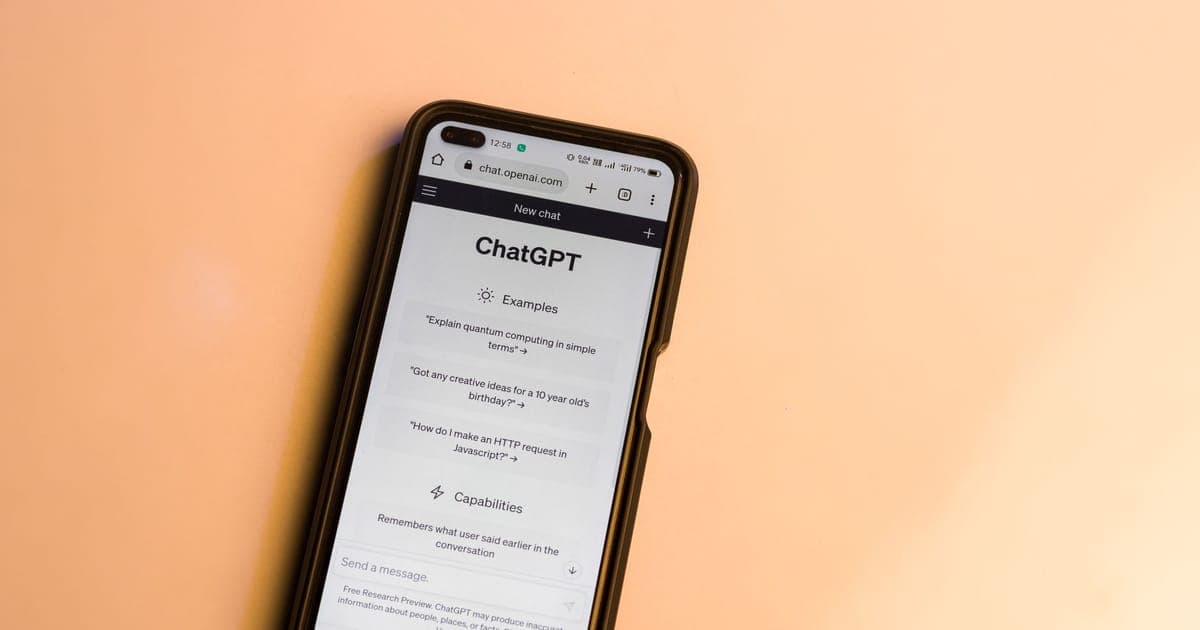
Most attempts by Shopify stores to increase Average Order Value (AOV) are really just attempts to interrupt. A generic discount pop-up, a last-ditch exit-intent offer, a "you might also like" carousel of unrelated products, these tactics are built on hope, not context. They treat the shopper not as a person making a decision, but as a wallet to be squeezed before the tab closes. The result is often the opposite of the goal: annoyance, brand damage, and a higher bounce rate. Using proactive chat to lift your Shopify AOV requires a fundamental shift in philosophy, moving from interruption to timely assistance. It’s not about popping up more often; it’s about showing up at the precise moment a customer needs a guide, turning a potential point of friction into a conversation that builds both the cart and their confidence.
The AOV Plateau and the Peril of "Popping Up"
The digital equivalent of an overly aggressive street vendor has become a standard feature on countless Shopify stores. We've all seen it: a pop-up appears the instant the page loads, obscuring the product you came to see and demanding an email address in exchange for a discount you don't yet want. This approach is a holdover from an older internet, one that valued email capture above all else, even user experience. While some data suggests these methods can work to harvest emails, it ignores the collateral damage. Studies have shown that a large majority of consumers report negative feelings toward brands that use aggressive pop-ups, and they can directly contribute to increased bounce rates.
This same logic often gets applied, incorrectly, to proactive chat. A store owner, eager to engage, sets a trigger to fire a generic "Can I help you?" message to every visitor after five seconds. While less visually obstructive than a full-screen pop-up, the underlying issue is the same. The visitor hasn't had time to browse, to form a question, or to signal any intent. The message isn't helpful; it's just noise. This thoughtless implementation is why many store owners conclude that "proactive chat doesn't work" or that it "annoys our customers." The problem isn't the tool, but the strategy. When a proactive message feels automated and irrelevant, it joins the ranks of banner ads and other on-screen clutter that users have trained themselves to ignore. Many customers specifically report finding it annoying when a chatbot fails to understand the context of their situation. A generic, ill-timed prompt is the conversational equivalent of a dead end, reinforcing the idea that the chat widget is not a source of intelligent help.
This leads to the AOV plateau. After implementing basic pop-ups and maybe a poorly configured chat trigger, store owners see an initial, minor lift followed by stagnation. They've captured the low-hanging fruit, the small percentage of shoppers who will respond to any offer, but they've simultaneously alienated a much larger group. The path to meaningful AOV growth isn't about shouting louder or more often. It's about listening for the silent signals of hesitation, confusion, or high intent that shoppers exhibit through their behavior. It requires moving from a broadcast model, where one message is blasted to everyone, to a conversational one, where the right message is delivered to the right person at the right moment. The goal is to make the intervention feel less like an advertisement and more like an attentive, knowledgeable store associate stepping in to help.
From Annoyance to Assistance: The Proactive Chat Philosophy
The most effective proactive chat strategy is one the customer barely recognizes as proactive at all. Instead of feeling like an automated script, it feels like a person showed up with the right answer at the exact moment a question was forming. This transformation from annoyance to assistance hinges entirely on two elements: timing and relevance. A chat prompt that appears while a customer is lingering on the checkout page for over a minute isn't an interruption; it's a lifeline. It acknowledges their hesitation and offers to resolve the very friction, shipping costs, return policy, payment errors, that causes nearly 70% of carts to be abandoned. This is the philosophical core of effective proactive chat: it anticipates needs and removes friction before the customer gives up. This approach fundamentally reframes the role of customer interaction from a reactive cost center to a proactive revenue driver.
To do this well, you must abandon the idea of a one-size-fits-all greeting. A "Welcome to our store, let me know if you need help!" message triggered for every visitor is a waste of digital breath. It offers no value because it contains no specific context. A powerful proactive message, however, references the decision the visitor is actively making. For a user comparing two high-end cameras, a message like, "I see you're comparing the X1 and the Z2. The main difference is the low-light sensor performance. Are you planning to shoot mostly indoors or outdoors?" is immensely more valuable. It demonstrates awareness, provides immediate expertise, and opens a dialogue directly related to their purchase decision. This contextual awareness is what separates a helpful assistant from a robotic pop-up, turning a moment of potential analysis paralysis into a confident step toward checkout. Customers who engage in such conversations are not just more likely to convert; they often spend more because the guided help gives them the confidence to choose the right product or bundle.
This philosophy also demands restraint. A common mistake is setting too many triggers that fire across every page, chasing the visitor around the site. This creates popup fatigue and trains the shopper to ignore the chat widget entirely. The best practice is to cap proactive invitations, ensuring a visitor only sees one per session unless they take a new, high-intent action. Furthermore, a proactive message should only fire when someone, either a human agent or a sufficiently advanced AI, is available to provide an immediate, intelligent response. Initiating a conversation only to make the customer wait is worse than not initiating one at all. The goal is to build trust and momentum, not to create another queue. By focusing on high-intent pages like product, pricing, and checkout pages, and by using visitor behavior to inform the content of the message, you transform chat from a passive support tool into your store's most intelligent salesperson.
The Tactical Playbook: Five High-Impact AOV Triggers for Shopify
Shifting from theory to practice means defining the specific, high-leverage moments where a proactive chat can turn hesitation into a larger sale. Instead of generic triggers, a sophisticated approach targets visitor behavior that signals a clear opportunity to increase AOV through helpful intervention. These five triggers represent a tactical playbook for Shopify store owners looking to move beyond simple pop-ups and implement a revenue-generating conversational strategy.
1. The "Almost There" Cart Value Trigger: This is perhaps the most direct and effective AOV-boosting trigger. Many stores offer free shipping above a certain threshold, a proven tactic that can lift AOV by itself. However, simply stating "Free shipping on orders over $100" in a banner is a passive hope. A proactive chat makes it an active strategy. The trigger should be configured to fire when a customer's cart value is within a specific, achievable range of the free shipping minimum, for instance, between 70% and 99% of the threshold. When a cart holds $85 worth of products against a $100 free shipping minimum, a chat can appear with a message like, "You're just $15 away from free shipping! A lot of customers who bought the [item in cart] also love our [complementary item priced around $20]. Would you like to see it?" This message does three things brilliantly: it personalizes the gap, makes the solution feel small and achievable, and provides a specific, relevant product recommendation, removing the friction of having to browse for an add-on item. This turns the shipping fee from a penalty into a motivation to add to the cart.
2. The "High-Consideration" Product Page Trigger: Not all product views are equal. A visitor who spends 10 seconds on a t-shirt page has a different intent than someone who spends 90 seconds on a $1,500 espresso machine page. Dwell time on a high-value or complex product page is a strong signal of purchase intent mixed with hesitation. A proactive chat triggered after, say, 45-60 seconds of inactivity on such a page can be the deciding factor. The message should not be a simple "Got questions?". It should offer specific, expert value. For example: "I see you're looking at our Pro-Level Espresso Machine. It's a fantastic choice for its dual-boiler system. I can walk you through how that compares to single-boiler models if you're weighing your options." This positions the chat as a consultation, not a sales pitch. It addresses the likely source of hesitation, technical specs, comparisons, justification of price, and helps the customer make a more confident, and often larger, purchase.
3. The "Complementary Cross-Sell" Trigger: Effective cross-selling feels like helpful advice. Instead of relying on a static "Frequently Bought Together" widget that customers often ignore, a proactive chat can deliver a recommendation at the moment of peak relevance: right after a customer adds a key item to their cart. For this to work, your system needs to understand your product relationships. When a customer adds a specific camera to their cart, a trigger can fire immediately: "Great choice on the M50! Just a heads-up, it doesn't come with a memory card. We have a high-speed card that's optimized for its 4K video capabilities. Can I add that to your cart for you?" This is powerful because it solves a problem the customer may not have anticipated. It's not just an upsell; it's a completion of the solution they came to buy. This kind of timely, logical cross-sell is a significant driver of AOV, increasing the value of the transaction while simultaneously improving the post-purchase customer experience.
4. The "Return Visitor, Empty Cart" Trigger: Returning visitors are a valuable segment; their repeat visit signals a higher level of interest than a first-time browser. However, a returning visitor who has an empty cart and is browsing aimlessly presents a unique challenge and opportunity. They are interested but undecided. A generic "Welcome back!" is friendly but ineffective. A better approach is to trigger a chat that acknowledges their history while offering concrete guidance. After a returning visitor has viewed three or more product pages in a session, a proactive message can offer to cut through the noise: "Welcome back! Seeing you're looking at a few different styles today. Instead of browsing, would you like to take a quick 30-second quiz? We can pinpoint the perfect item for you based on your needs." This transforms a passive browsing session into an active engagement, using a product quiz to guide the user to a specific recommendation, often leading to a more confident purchase and a higher AOV than if they were left to browse on their own.
5. The "Hesitation at Checkout" Trigger: The checkout page is the final frontier where AOV can be protected and sometimes even enhanced. A visitor who lands on the checkout page and then becomes idle for more than 60 seconds is a major flight risk. This is the moment for a precise, problem-solving proactive chat. The trigger should be time-on-page without action. The message needs to address the most common points of checkout friction directly. A good example would be: "Looks like you've paused on the final step. Do you have any questions about our return policy or shipping times? I can answer them right here." This shows you are anticipating their exact concerns. For stores selling items where sizing is a concern (like apparel or footwear), an even more specific message can be used: "Finalizing your order? If you have any last-minute questions about fit or sizing, I can pull up our detailed size chart or compare it to other brands you wear." This level of specific, contextual help at the most critical moment of the purchase journey can salvage a sale and prevent cart abandonment.
Measuring What Matters: KPIs Beyond AOV Lift
While the ultimate goal is to increase the average order value, focusing solely on that one metric can be misleading. A truly successful proactive chat strategy enhances the customer experience, and that value is reflected in a wider array of key performance indicators (KPIs). Judging your efforts only by the change in AOV is like judging a car only by its top speed; it ignores handling, safety, and fuel efficiency, which are often more important for the daily drive. A holistic view of performance ensures that your AOV gains are sustainable and not coming at the cost of customer satisfaction or long-term loyalty. The first and most obvious metric to track alongside AOV is the chat engagement rate. How many proactive messages are actually starting a conversation? A high number of impressions with a low engagement rate suggests your triggers are firing at the wrong time or your messaging isn't compelling. This is a crucial diagnostic metric that tells you whether your core philosophy of timely, relevant assistance is landing with shoppers.
The second critical KPI is the conversion rate of shoppers who engage with a proactive chat versus those who do not. The data here is often stark. Studies consistently show that visitors who engage with a chat are significantly more likely to convert, sometimes at much higher rates than passive browsers. Tracking this lift provides powerful evidence of ROI, demonstrating that the conversations themselves are directly driving purchases. This metric helps you justify the investment in the technology and any human agents behind it. It shifts the perception of chat from a support cost to a sales engine. By segmenting this data by different triggers, you can even identify which proactive strategies are the most effective at turning conversations into customers, allowing you to double down on what works and refine what doesn't.
Finally, and perhaps most importantly for long-term brand health, you must measure customer satisfaction (CSAT) for these interactions. Are shoppers who are proactively engaged happy with the experience? A high AOV and conversion rate are hollow victories if the process leaves customers feeling pressured or annoyed. After a proactive chat that leads to a sale, a simple, one-click CSAT survey can provide invaluable feedback. High satisfaction scores indicate your strategy is genuinely helpful. Low scores are an early warning sign that your triggers are too aggressive or your AI and agents are not providing adequate answers. Maintaining high CSAT is crucial because positive live chat experiences are a major driver of customer loyalty. By balancing AOV lift with engagement rates, conversion lift, and customer satisfaction, you get a complete picture of your proactive chat strategy's performance, ensuring you are building not just bigger carts, but a stronger, more trusted brand.
The Technology That Turns Conversation into Commerce
A tactical playbook for proactive chat is only as good as the tool that executes it. Simply having a chat widget on your Shopify store is not enough. To move from generic greetings to context-aware, revenue-driving conversations, the underlying technology must possess specific capabilities. It needs to be more than a text box; it must function as an integrated sales and support agent, deeply connected to the data of your store. The first requirement is a sophisticated trigger and rules engine. The ability to initiate a chat based on a simple time-on-site delay is table stakes. A powerful platform allows you to create triggers based on a combination of conditions: cart value, number of visits, specific pages viewed, scroll depth, and even exit intent. This is what enables the hyper-specific interventions discussed earlier, like targeting a user who is $15 away from free shipping or has lingered on a high-consideration product page. Without this level of granularity, you are stuck with the kind of one-size-fits-all messaging that annoys shoppers.
The second critical piece is deep integration with Shopify's backend. An effective sales agent needs information. To make a relevant cross-sell recommendation, the AI must have real-time access to your product catalog, including product relationships and inventory levels. To answer a question about a return policy, it needs access to your store's settings and documentation. This is a common failing of many simpler chat tools, which operate as separate layers on top of the store rather than being woven into its fabric. When the AI can see what's in a customer's cart, view their order history, and understand your product variants, its recommendations and answers become exponentially more valuable. This is the difference between an AI that says "How can I help?" and one that says, "I see you bought our hiking boots last month. The new waterproof socks that just launched are a perfect match for them."
This is precisely the architecture on which Arbyn is built. It acts as a true support and sales agent because it integrates these essential data streams. The proactive chat triggers are designed to execute the high-impact AOV strategies, from targeting the free shipping threshold to offering smart, contextual cross-sells based on cart contents. Unlike platforms that bill per ticket or per resolution, which can penalize you for having more conversations, Arbyn's flat-rate pricing encourages you to engage with as many customers as possible. The Arbyn Starter plan is permanently free for up to 150 conversations a month, allowing you to implement these AOV-boosting strategies without upfront investment. For stores that need more, the Arbyn Growth plan offers up to 500 conversations for $59 a month, while the Arbyn Agent plan provides unlimited conversations for $99 a month. This model ensures your support and sales tool costs remain predictable, even as it actively works to increase your revenue. By combining a powerful rules engine with deep platform integration, you can finally deploy a proactive chat strategy that lives up to its promise, turning conversations into conversions and measurably increasing your store's AOV. To see how these proactive triggers can work for your store, you can install Arbyn from the Shopify App Store and configure your first AOV-focused campaign.
Written by
For seven years I have led customer success and technical support inside high-growth SaaS and e-commerce companies. Customer Support Lead at DripShop.live, a live-commerce SaaS. Technical Support Specialist at Replo (Y...
View full profileKeep reading
View all posts
The ROI of Flat-Rate AI Support: A Calculator for Shopify Stores
Odera Joseph · 8 min

Why a Discount Code From an Email Campaign Fails at Checkout, and What Support Says Next
Odera Joseph · 9 min

Glossary: Flows, Segments and 8 Other Shopify Email Marketing Terms Support Teams Should Understand
Odera Joseph · 7 min