Apps & Tools
7 Best Intercom Fin Alternatives for Shopify Support Teams
Intercom Fin's per-resolution pricing adds up fast for Shopify stores, but what are the real alternatives?
Odera Joseph
Founder · August 3, 2026 · 8 min read
A thousand support conversations in a month feels like success until the bill arrives, a sharp reminder that in the world of SaaS, growth is often a metric to be monetized. For Shopify stores using Intercom's Fin AI agent, that success carries a steep, explicit cost that can turn celebration into consternation. A fast-growing apparel brand might see 5,000 conversations in a month, a healthy sign of customer interest, but this volume can trigger a cascade of fees that erodes profitability. With a pricing model that often starts at around $0.99 for each resolution, that 5,000-conversation month can easily add five thousand dollars in AI fees alone, a charge that sits directly on top of a base platform subscription that can already cost hundreds or thousands. This is not a footnote in the invoice; it is a primary charge that transforms a key performance indicator, customer engagement, into a variable cost to be feared. The tool works, but you pay for every single success, turning the healthy sign of a scaling business into a source of ever-present financial anxiety.
This forces a difficult question upon growing store owners: at what point does the cost of automated support begin to outweigh the benefits, and are there any viable Intercom Fin alternatives that don't punish you for scaling? The anxiety is not about paying for a service, but about the unpredictability and the perverse incentive structure it creates. Store owners begin to hesitate before launching a major marketing campaign or a flash sale, subconsciously calculating the potential support bill that will accompany the desired sales spike. This strategic paralysis is a direct consequence of a pricing model that taxes growth. The search for an answer isn't just about finding a different brand name on a different invoice; it's about finding a fundamentally different philosophy on what it costs to talk to your own customers, a search for a partnership that enables strategy, not a tax that complicates it.
## The Per-Resolution Promise and Its Perilous Cost
The appeal of an AI agent like Intercom Fin is undeniably potent, especially for a lean team managing a growing Shopify store. It promises to resolve an immense volume of common customer inquiries instantly, 24/7, acting as a tireless digital employee that never sleeps. Industry data suggests that 40-60% of all support inquiries are repetitive, falling into predictable categories. This means expertly handling the relentless tide of "Where is my order?" (WISMO) requests, clarifying return policy details, checking product stock levels for a specific size or color, and answering pre-purchase questions about shipping options, all without hiring a massive human support team. The value proposition is crystal clear: radical efficiency, unparalleled speed, and a direct path to improved customer satisfaction scores, as 38% of shoppers expect an immediate response from support. Fin is a powerful piece of technology built to deliver on this promise, connecting directly to Shopify APIs to provide accurate, context-aware answers pulled from real-time order data and tracking information. The problem for many store owners isn't with the product's impressive capability, but with the precarious economic model it's built upon. A per-resolution fee structure, while transparent on the surface, directly links your support costs to your support volume, turning every resolved ticket and every answered question into a micro-transaction that relentlessly chips away at your gross margin.
This model creates a strange and uncomfortable set of incentives that run counter to the goals of a growth-oriented business. When a marketing campaign performs exceptionally well, driving a massive and welcome surge in traffic and sales, it also drives a proportional surge in customer questions and support needs. With a per-resolution model, this success is immediately and automatically taxed. The very tool you've implemented to manage customer support efficiently becomes a significant and unpredictable variable cost that grows in lockstep with your best moments. A Black Friday weekend, for instance, could generate tens of thousands of resolutions for a popular brand, resulting in a five-figure bill that might eclipse the cost of the platform itself for the entire year. This profound financial uncertainty makes accurate budgeting difficult and turns long-term strategic planning into a high-stakes guessing game. It forces store owners into a defensive, reactive posture, constantly monitoring resolution counts and worrying about the financial implications of high customer engagement. Instead of viewing a support interaction as a valuable opportunity to build a relationship and foster loyalty, it becomes a line item on an expense report, a cost to be minimized rather than an investment to be optimized. This fundamental conflict is what drives the desperate search for alternatives, not just for a cheaper tool, but for a more sustainable and predictable financial partnership that supports growth instead of penalizing it.
## The Market's Answer: Trading One Variable for Another
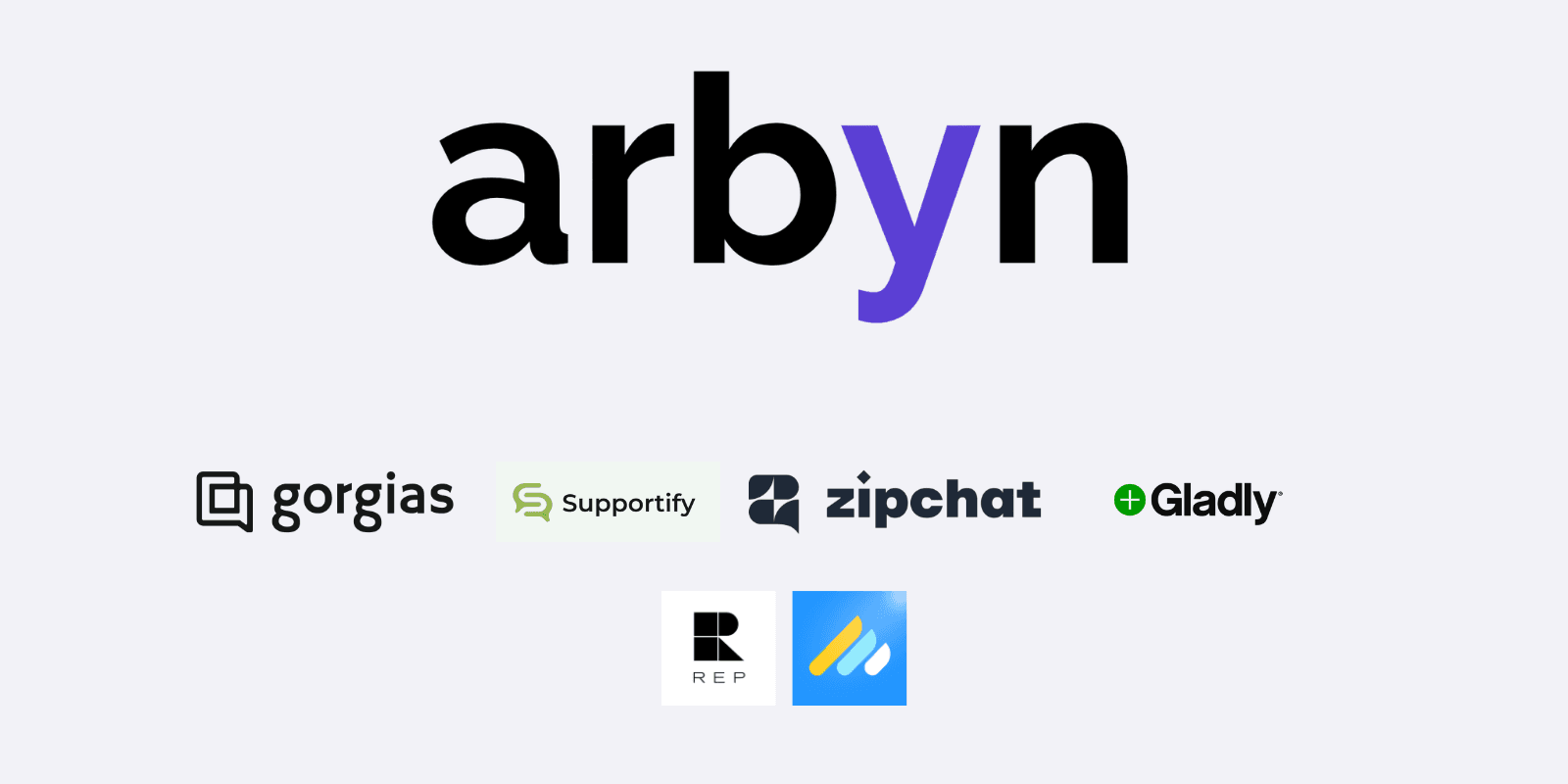
In the hunt for a more predictable cost structure and a reprieve from resolution-counting anxiety, many Shopify stores first look to the other titans of the customer support world. The most common first stop is often Gorgias, a platform built with deep Shopify integration at its core and a strong reputation within the ecommerce community. It's a formidable tool, but migrating from Intercom to Gorgias in search of cost stability can feel like taking one step sideways instead of a definitive step forward. Gorgias structures its pricing primarily around ticket volume, with plans offering a certain number of "billable tickets" per month. On top of this, their advanced AI features are an add-on, charged per resolution, mirroring the very model store owners are trying to escape. A store with 2,800 conversations during a peak month might be on a $300 Pro plan that includes 2,000 tickets. This means they will pay overage fees on the extra 800 tickets, plus an additional fee for every single conversation the AI agent resolved, which can result in the bill more than tripling. The fundamental problem of usage-based billing remains firmly in place; you're still paying more when your customers talk to you more, just with a different set of labels and thresholds that create a new type of meter to watch.
The other major player often considered in this search is Zendesk, an institution in the helpdesk space. As a long-standing leader, Zendesk offers a robust, enterprise-grade platform with a vast ecosystem of integrations and powerful tools designed to automate support at scale. However, for the typical Shopify store owner, its pricing is notoriously complex and often prohibitively expensive. Plans are typically built around a per-agent seat cost, which already creates a scaling challenge for growing teams. Then, the coveted AI capabilities are layered on top as a separate, often costly, add-on, frequently around $50 per agent per month just for access. This add-on can itself have usage limits, with overage charges for resolutions beyond a certain threshold that can range from $1.50 to $2.00 per resolution. A store owner might pay a base fee for their human agents, an additional fee for each agent to access AI tools, and then a third layer of fees if that AI is too successful. The result is a multi-dimensional pricing matrix that requires a spreadsheet to decipher and makes predicting the end-of-month bill nearly impossible for a non-enterprise business. For a Shopify store owner, who is an expert in their product, not in navigating complex SaaS billing, this is a significant source of friction and a major time sink. Switching to these platforms from Intercom Fin often just means trading the devil you know for one you don't.
## New Models, New Variables: Beyond Per-Resolution Billing
Frustrated by the direct correlation between customer conversations and rising costs found in per-resolution and per-ticket models, some store owners explore tools that anchor their pricing to a different business metric. This represents a creative attempt to decouple support costs from support volume, but it often introduces a new and equally problematic set of variables and trade-offs. One such example is Rep AI, which has gained traction in the Shopify ecosystem with a unique approach: pricing based on the number of monthly visitors to your website. At first glance, this seems like an elegant solution. It aligns the cost of the tool with the overall traffic and potential revenue of the store, offering a seemingly more consistent monthly bill for businesses with stable traffic patterns. However, it's not a silver bullet, because the core business of ecommerce is to *grow* traffic. A single viral TikTok video could 10x your daily traffic overnight, and with it, your Rep AI bill, even if those new visitors are low-intent and don't actually generate a proportional number of support requests. This model forces you to pay for unqualified traffic, creating a massive potential mismatch between the price you pay and the value you receive from the support tool.
Another alternative that shifts the pricing vector in an attempt to find a better alignment is Gladly. This platform centers its philosophy on a "people-first" approach and prices based on the number of "Heroes," their term for a support agent, along with a metric for the number of "assists" the AI provides. While this rightly moves away from a pure per-resolution model, it still contains critical elements of usage-based pricing that can lead to significant cost fluctuations and budgetary surprises. The "assist" metric, in particular, can be frustratingly opaque, making it difficult for a store owner to forecast how changes in customer behavior or agent workflow will translate to their monthly invoice. What precisely constitutes an "assist"? Is it a suggested response, an automatic categorization, or a fully contained resolution? If an agent views but ignores an AI suggestion, does that still count? This lack of a clear, auditable definition turns budgeting into an exercise of faith rather than financial planning. These alternative pricing models are a testament to the industry's ongoing struggle to find a fair and predictable way to charge for AI support. They offer a different set of calculations, but they don't necessarily solve the underlying problem for a growing Shopify store: the pervasive fear that success in one area of the business will lead to a painful and unexpected cost in another.
## The Rise of Capped and Tiered AI Agents
A third category of Intercom Fin alternatives has emerged to directly address the market's loud and clear demand for cost predictability. These tools abandon complex variables like visitors, tickets, or assists and return to a more straightforward, tiered subscription model reminiscent of classic SaaS pricing. They offer different plans with set prices, typically differentiated by the number of AI-powered conversations or messages included each month. This approach provides a much-needed sense of control and budget certainty, a welcome relief from the wild swings of pure usage-based billing. Platforms like Zipchat are a prime example of this model, offering clear tiers like "Starter," "Pro," and "Business," each with a progressively higher cap on monthly AI replies. A store owner knows that as long as they stay within their tier, their bill will be the same every single month. This predictability is the primary selling point and a powerful draw for businesses that have been burned by unexpected overage fees in the past. It allows for simple, forward-looking financial planning, which is a breath of fresh air for any store owner focused on sustainable growth.
However, this model has its own inherent friction point that replaces one anxiety with another: the tier ceiling. While you escape the stress of per-resolution fees, you inherit the stress of hitting your conversation cap. As the month progresses, a store owner might find themselves watching their usage meter with the same level of concern they used to reserve for their resolution count. The moment the business grows and consistently pushes the limits of its current tier, the only solution is a forced upgrade to the next level. This upgrade often represents a significant, non-linear jump in monthly cost, not a gradual increase. Other tools in this space, like Supportify, which uses a per-session model, or Commslayer, with a base fee plus a small per-message overage, also walk this fine line. They offer a base level of predictability but retain a mechanism that ensures costs will increase with volume. They are a definitive step in the right direction and a partial solution to the problem posed by Intercom Fin's punitive model. They provide a budgetable cost, but only up to a point. For a truly ambitious, fast-scaling Shopify store, the fundamental question remains: is there a tool that doesn't ask you to pay more just because your brand is succeeding?
## The Real Cost: When AI Agents Can Only Talk
The entire, often frantic, conversation around support automation pricing frequently misses a critical point: the price is utterly meaningless without considering the value delivered. A cheaper tool that creates more work for your team is not a good deal; it's a hidden cost disguised as savings. Many of the AI chatbots and agents positioned as alternatives to more expensive platforms have a significant, often unstated, limitation: they can't *do* anything. They are excellent at understanding customer intent and providing answers based on a knowledge base or FAQ. They can tell a customer your return policy, explain shipping times for different countries, or point them to the right product page. But when a customer asks to actually *act* on that information, to change the shipping address on their order, to cancel it before it ships, or to get a refund for a returned item, these "read-only" chatbots hit a wall. Their only recourse is to escalate the conversation to a human agent, creating a ticket and placing the burden right back on the store owner or their staff. This limitation means that if over 60% of your inquiries require an action, your AI tool has a maximum effectiveness of less than 40%, and you are paying 100% of its cost for less than half a solution.
This functional limitation fundamentally undermines the entire promise of automation. You're paying a monthly fee for an AI that still requires a human in the loop for the most common and critical post-purchase actions, creating a clunky and inefficient workflow. The cost of the AI tool is only the beginning; you must also factor in the cost of the human labor required to handle the escalations it generates, which now come with the added baggage of a customer who has already spent time interacting with a bot. This creates a disjointed customer experience where the customer explains their issue to an AI, only to have to repeat their story to a human who finally has the power to resolve it. This directly harms key metrics like First Contact Resolution (FCR) and Customer Satisfaction (CSAT), where a single extra contact can cause satisfaction to plummet. An ideal solution wouldn't just be predictably priced; it would be powerful enough to act. It would have the necessary permissions and deep integrations with Shopify to handle these core tasks, either autonomously or with a simple one-click approval from the store owner. The true alternative to a system like Intercom Fin must address both sides of the equation: a pricing model that doesn't punish growth, and a feature set that delivers genuine, end-to-end automation, reducing manual work rather than just repackaging it.
There is a different model. The search for an Intercom Fin alternative doesn't have to end in a frustrating compromise between unpredictable costs and limited capabilities. A solution exists that was built from the ground up to offer both a simple, flat-rate price and the power to take real action within your Shopify store. Arbyn was built on this principle. For Shopify stores, there are two simple plans. The Arbyn Starter plan is permanently free for up to 150 conversations a month, with full features, allowing you to experience the full power of the platform without any commitment. When you outgrow that, the Arbyn Agent plan is $99 per month for unlimited conversations. That's it. No per-resolution fees, no per-agent seat licenses, no visitor tracking, no conversation caps, and no overages. Whether you have two hundred conversations or twenty thousand during a record-breaking sales event, the price remains exactly the same, providing the ultimate cost predictability that scaling stores require to operate with confidence and plan budgets without fear.
This predictable pricing is paired with deep Shopify integration that goes far beyond just answering questions from a knowledge base. Arbyn is a support and sales agent that can perform critical, revenue-impacting tasks directly. When a customer needs to change a shipping address on an unfulfilled order, Arbyn can securely update it. For actions that involve money, like processing a refund for a returned item or canceling an order before it ships, Arbyn prepares the action and waits for a single click of approval from you in a simple dashboard before executing it directly in Shopify and confirming the resolution to the customer. This powerful combination solves the core problem at the heart of this entire discussion: it removes the financial penalty for growth while also dramatically reducing the manual workload of your team. It turns your support function from a variable cost center into a fixed-cost, high-efficiency growth engine, directly improving the bottom line. If you're ready to stop paying per conversation and start investing in a tool that scales with you, you can install Arbyn from the Shopify App Store and see the difference a new model can make.
The choice for store owners is no longer a binary between expensive, usage-based automation and the crushing, time-consuming workload of manual support. It's now about finding a true partner that scales *with* your business, not *on* it. The right AI agent doesn't just answer questions; it takes action, drives sales by resolving issues that would otherwise lead to abandoned carts, and contributes directly to the bottom line. Its pricing should reflect that role as a partner, offering a predictable, sustainable cost that allows you to focus on growing your brand, confident that your tools will support that growth without ever sending you a surprise bill at the end of the month. This transforms support from a reactive necessity into a strategic asset that enhances the customer experience and fuels long-term, profitable growth.
Written by
Odera Joseph
Founder
For seven years I have led customer success and technical support inside high-growth SaaS and e-commerce companies. Customer Support Lead at DripShop.live, a live-commerce SaaS. Technical Support Specialist at Replo (Y...
View full profile